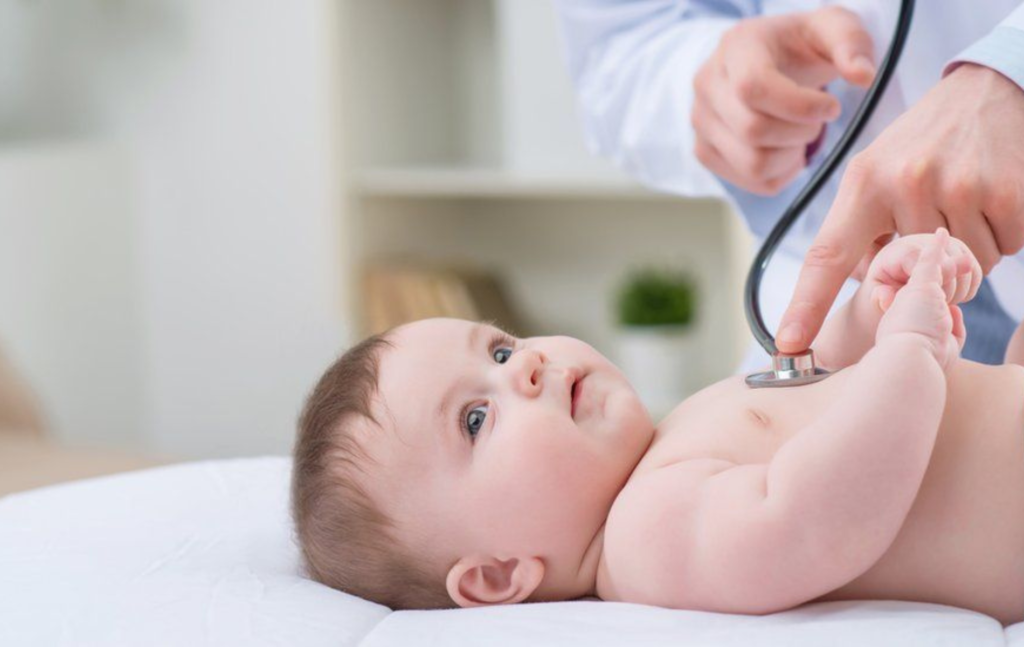

Medical emergencies can happen suddenly, and recognizing warning signs early can make a life-saving difference. Many people delay seeking medical help because they are unsure whether their symptoms are serious. However, certain signs should never be ignored and require immediate medical attention.
Knowing when to act can help prevent complications and improve outcomes.
1. Chest Pain or Discomfort
Persistent chest pain, pressure, tightness, or a burning sensation may indicate a heart-related emergency. The pain may spread to the arm, neck, jaw, back, or shoulder and can be accompanied by sweating, nausea, or shortness of breath.
Chest pain should always be treated as a medical emergency until proven otherwise.
2. Sudden Shortness of Breath
Difficulty breathing, rapid breathing, or a feeling of not getting enough air can signal serious conditions such as asthma attacks, heart problems, lung infections, or blood clots.
Any sudden or unexplained breathing difficulty requires immediate medical evaluation.
3. Signs of Stroke
Stroke symptoms often appear suddenly and may include:
- Facial drooping on one side
- Weakness or numbness in the arm or leg
- Slurred or unclear speech
- Sudden confusion or vision problems
Early treatment is critical in preventing permanent brain damage or disability.
4. Severe or Persistent Abdominal Pain
Intense abdominal pain that does not improve, worsens over time, or is accompanied by vomiting, fever, or bloating may indicate appendicitis, intestinal blockage, gallbladder issues, or internal bleeding.
Ignoring severe abdominal pain can lead to serious complications.
5. Uncontrolled Bleeding
Heavy bleeding that does not stop after applying pressure, bleeding from deep wounds, or bleeding associated with trauma should be treated as an emergency.
Excessive blood loss can quickly become life-threatening without prompt care.
6. Loss of Consciousness or Fainting
Sudden fainting, collapse, or loss of consciousness may be linked to heart rhythm problems, low blood sugar, neurological issues, or severe dehydration.
Any unexplained loss of consciousness requires urgent medical attention.
7. High Fever with Confusion or Stiff Neck
A high fever accompanied by confusion, severe headache, stiff neck, rash, or sensitivity to light can be a sign of serious infections such as meningitis or sepsis.
Immediate medical care is essential in such cases.
8. Severe Head Injury
Head injuries followed by vomiting, confusion, drowsiness, seizures, or unequal pupil size are warning signs of possible brain injury or bleeding.
Prompt evaluation can prevent long-term neurological damage.
9. Severe Allergic Reactions
Sudden swelling of the face, lips, tongue, or throat, difficulty breathing, hives, or dizziness may indicate anaphylaxis—a severe allergic reaction.
This is a medical emergency that requires immediate treatment.
10. Persistent Vomiting or Diarrhea
Continuous vomiting or diarrhea, especially in children or elderly individuals, can lead to severe dehydration and electrolyte imbalance.
Medical care is necessary if symptoms persist or worsen.
When in Doubt, Seek Emergency Care
If a symptom feels severe, unusual, or rapidly worsening, it is always safer to seek medical attention. Delaying treatment can lead to complications that could otherwise be prevented.
24×7 Emergency Care at Kshema Hospitals
Kshema Hospitals provides round-the-clock emergency medical services with trained doctors, rapid response, and advanced diagnostic facilities. Our emergency team is equipped to handle critical conditions promptly and effectively.
If you or your loved one experiences any emergency symptoms, do not delay—seek immediate medical care.
Conclusion
Recognizing emergency symptoms and acting quickly can save lives. Staying informed, trusting your instincts, and seeking timely medical help are key steps in protecting your health and the well-being of your family.