
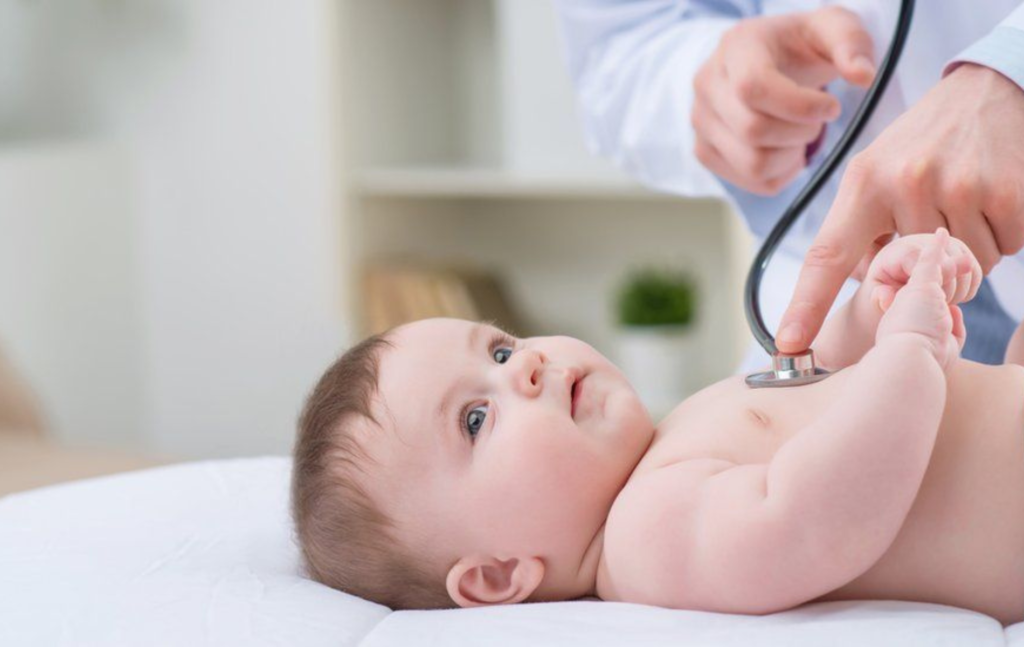
Ensuring a child’s healthy growth and development is one of the most important responsibilities of parenthood. From infancy through adolescence, proper nutrition, regular check-ups, and timely immunization play a vital role in protecting children from preventable diseases and long-term health complications.
Understanding child health and immunization helps parents make informed decisions that support their child’s well-being at every stage of life.
Why Child Health Matters
Child health is not just about treating illnesses—it’s about prevention, early detection, and healthy development. Regular pediatric visits help monitor physical growth, cognitive development, nutrition, and emotional well-being.
Early medical care ensures:
- Timely identification of developmental delays
- Early management of common childhood illnesses
- Guidance on nutrition, sleep, and hygiene
- Strong immunity and disease prevention
Healthy children are more likely to grow into healthy adults with fewer medical complications later in life.
What Is Immunization, and Why Is It Important?
Immunization is the process of protecting children against serious and potentially life-threatening diseases by administering vaccines. Vaccines work by strengthening the immune system to recognize and fight infections effectively.
Immunization protects children from diseases such as:
- Tuberculosis
- Polio
- Diphtheria
- Tetanus
- Whooping cough (Pertussis)
- Hepatitis
- Measles, Mumps, and Rubella
Vaccination not only protects individual children but also helps prevent the spread of diseases within the community.
Benefits of Timely Immunization
Following the recommended immunization schedule is crucial for maximum protection. Delayed or missed vaccines can increase the risk of infection.
Key benefits include:
- Stronger immunity during early years
- Reduced risk of serious complications
- Prevention of disease outbreaks
- Long-term protection against infections
- Safer school and community environments
Timely immunization ensures your child is protected when they are most vulnerable.
Common Myths About Childhood Vaccines
Many parents have concerns about vaccines due to misinformation. It is important to rely on medical guidance rather than myths.
Myth: Vaccines cause serious side effects
Fact: Most vaccines cause only mild, temporary reactions, such as a slight fever or soreness.
Myth: Natural immunity is better than vaccines
Fact: Vaccines protect without exposing children to dangerous diseases.
Myth: Too many vaccines weaken immunity
Fact: Vaccines strengthen the immune system safely and effectively.
Consulting a pediatrician can help clarify concerns and ensure informed decisions.
Role of Nutrition in Child Health
Nutrition works hand-in-hand with immunization to strengthen a child’s immune system. A balanced diet supports growth, energy levels, and disease resistance.
Essential nutrition tips include:
- Breastfeeding in infancy for immune support
- Adequate intake of proteins, vitamins, and minerals
- Fruits and vegetables for immunity
- Proper hydration
- Avoiding excess sugar and junk food
Healthy eating habits developed early last a lifetime.
When Should Parents Consult a Pediatrician?
Regular pediatric visits are important even when a child appears healthy. Parents should consult a pediatrician for:
- Routine growth and development checkups
- Immunization schedules and updates
- Recurrent infections or fever
- Developmental or behavioral concerns
- Nutritional guidance
Early medical attention ensures better outcomes and peace of mind for parents.
Creating a Safe & Healthy Environment
In addition to medical care, a safe environment supports overall child health. Ensuring hygiene, safe play, adequate sleep, and emotional support contributes to strong physical and mental development.
Encouraging physical activity, reducing screen time, and maintaining a routine help children thrive.
How Kshema Hospitals Supports Child Health & Immunization
At Kshema Hospitals, we are committed to comprehensive child healthcare through experienced pediatricians and neonatology specialists. We provide age-appropriate immunization, regular health monitoring, and personalized guidance for parents.
Our focus is on preventive care, early intervention, and compassionate treatment—ensuring every child receives the best possible start in life.
Conclusion
Child health and immunization are essential pillars of lifelong well-being. By staying informed, following vaccination schedules, and maintaining regular pediatric care, parents can protect their children from preventable illnesses and support healthy growth.
A proactive approach today ensures a healthier tomorrow for your child.